Collin Edouard
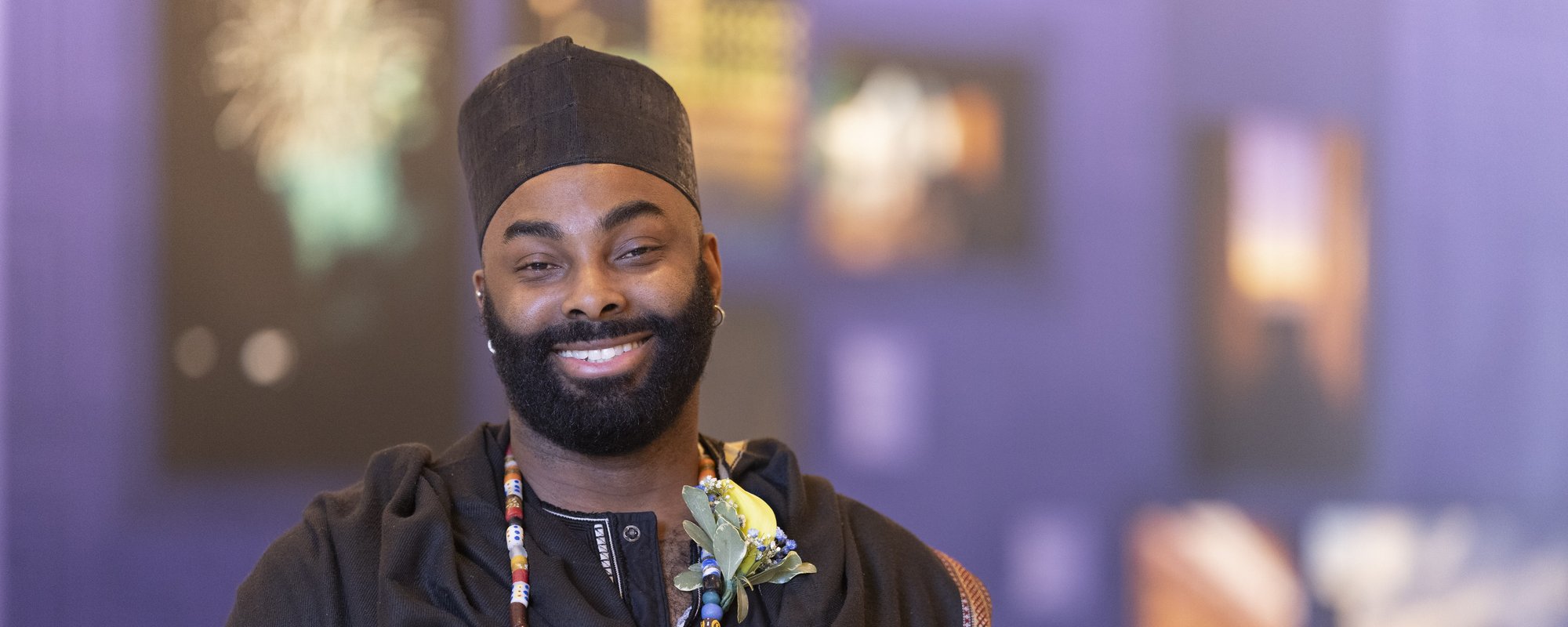
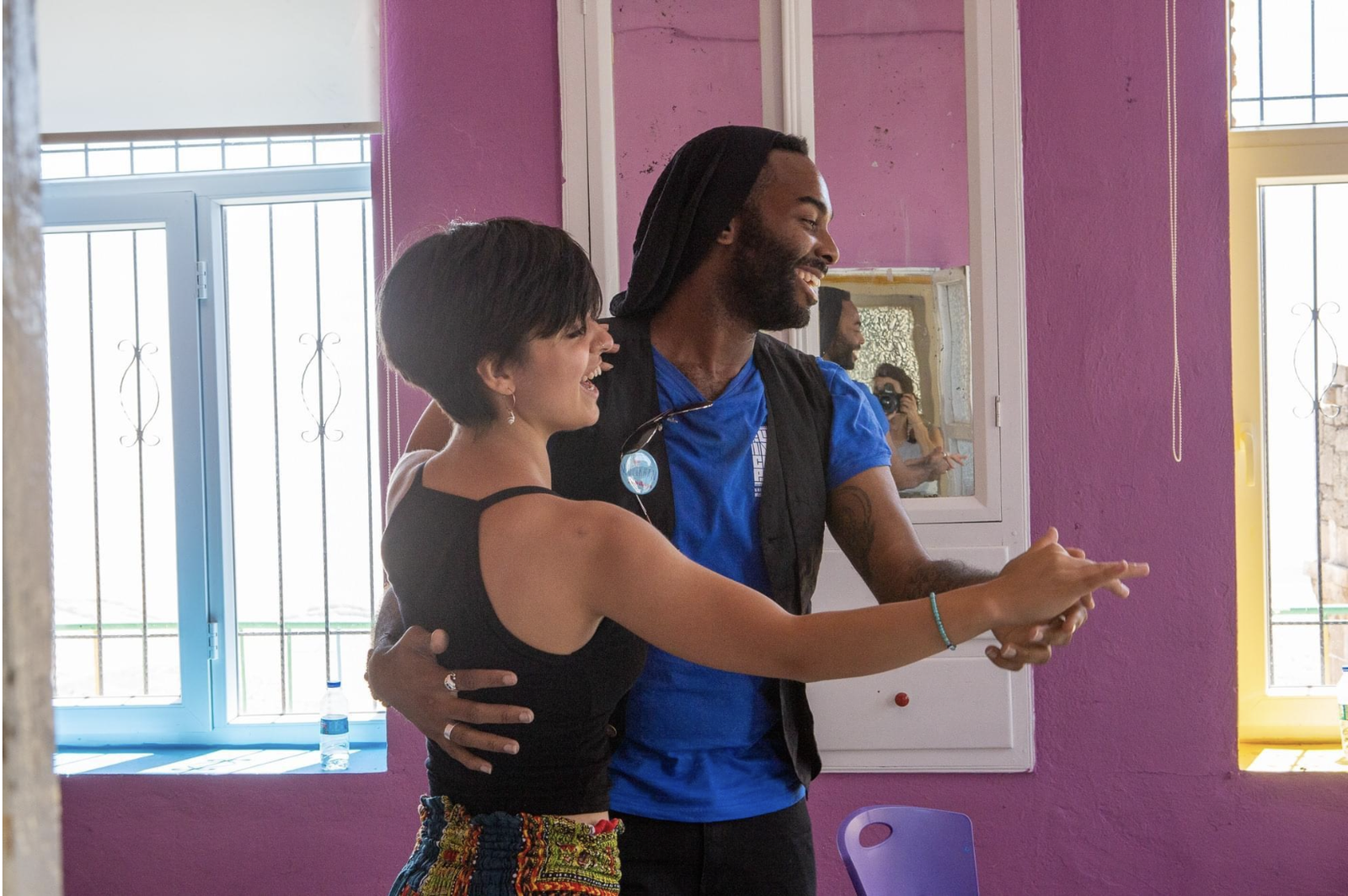
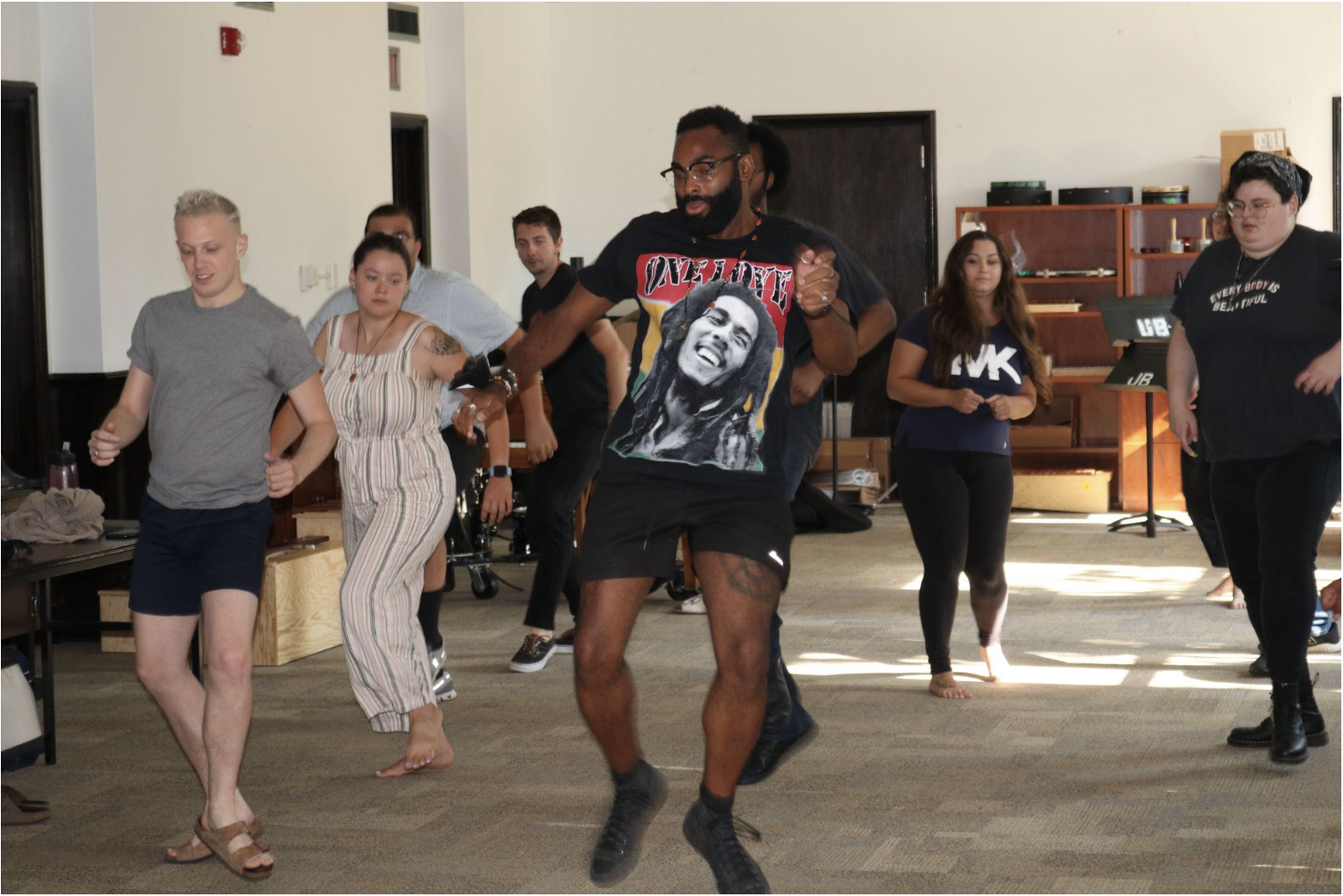
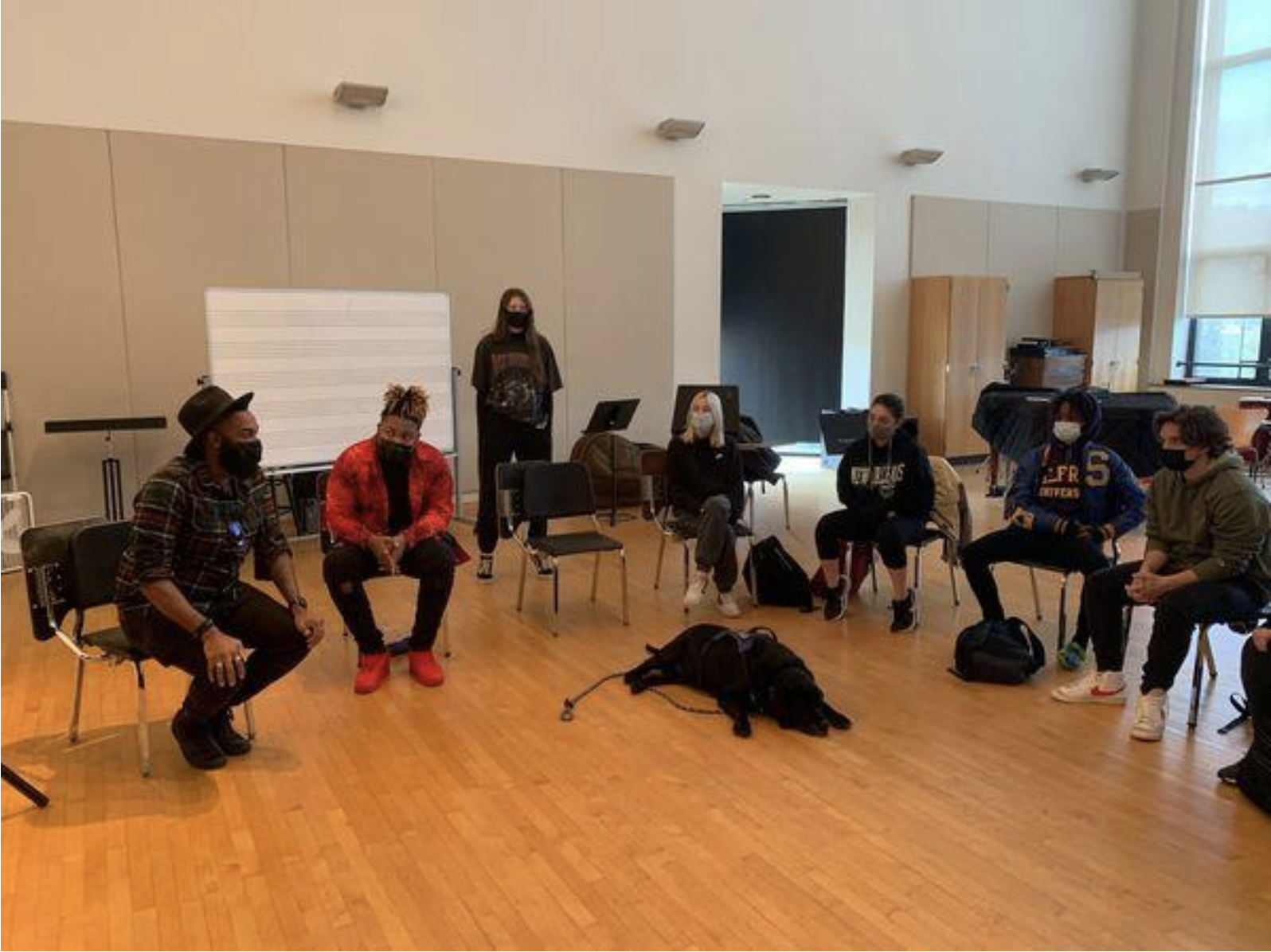
Houngan Collin Edouard is a Ph.D. candidate at Yale University specializing in ethnomusicology. His current research explores the significance of the voice in Haitian Vodou ceremonies and examines the presence of lwa (Vodou spirits) through a comprehensive multi-sited ethnographic study. He is the Consulting Curator for the AMP World Music Festival, during which he has helped to develop the concert repertoire selections, assisted with cultural authenticity, and provided written background on the repertoire for the digital concert program. Collin has a rich, diverse, and fascinating career. In the interview below, he discussed his background, careers, and all things music.
How did you first get exposed to music and how did you choose to pursue it as a career?
I first got exposed to music at home. I am a Caribbean person. My mother is Haitian, and my father is Jamaican. I grew up singing and dancing around the house to the sounds of the islands my folks came from. If you're asking when I got into classical music, I was about 9 years old when I decided to pick up the clarinet… but it was only to get out of class since the newly formed school band was during the reading section of the day.
You are at Yale studying for a Phd in ethnomusicology. For our young musicians at AMP and elsewhere, can you explain your field of study and how a young person might pursue this path?
I have always been interested in the human experience. I love learning about people and why they do the things they do. A good way to think about ethnomusicology is the study of the human experiences of communities and music-making processes. So it's like social cultural anthropology through a musical lens. Specifically, I am focusing on ritual sounds of Haitian Vodou and how devotees use vocality to encourage spirit mobility. If you have a burning question about some kind of musical practice that is close to you and your experiences, then this is a way to pursue that question.
You are the Consulting Curator for the AMP World Music Festival. What are you doing in this role and why is it important for you to be a part of these events?
Essentially, my job is to meet with the leaders of the organization, talk through the selections for the shows, discuss the order and placements of those selections, decide who will be involved in the show, agree on which sounds we want represented, and reflect on the mindfulness of the concert as a whole. My job is essentially to serve as connective tissue between the people in the show and the audience experiencing the concerts. Too often, we, as musicians, play and perform just to say we've done it, forgetting to consider the people and countries we want to represent.
We know you love them all equally, but if you had to choose, which concert from the AMP World Music Festival gets you the most excited?
Yes, you are right, I do love them all, but to be honest, I am most excited about seeing Haiti represented in this concert series. It has been 52 years since Haiti last participated in the World Cup, so being part of crafting this concert is everything to me. We have some exciting sounds and people who will be involved. Stay tuned.
What are your favorite aspects of studying at Yale in the Department of Music?
I have given most of my time to studying the voice as my primary instrument, choral conducting, and music education. I was comfortable being a music educator and traveling around the world performing and teaching music, but I wanted to spend time becoming a more well-rounded musician. My interest in music and why people navigate their lives through music grew. I entered the Ph.D. program thinking of my own community, and even though these sounds are part of my culture, I wanted to explore the beautiful ritual sounds of Haitian Vodou further. My favorite part of being a doctoral student at Yale is the people I met here who challenge my thinking and offer opportunities like this to continue the work I think is very important.
What are some of the most memorable moments in your career so far?
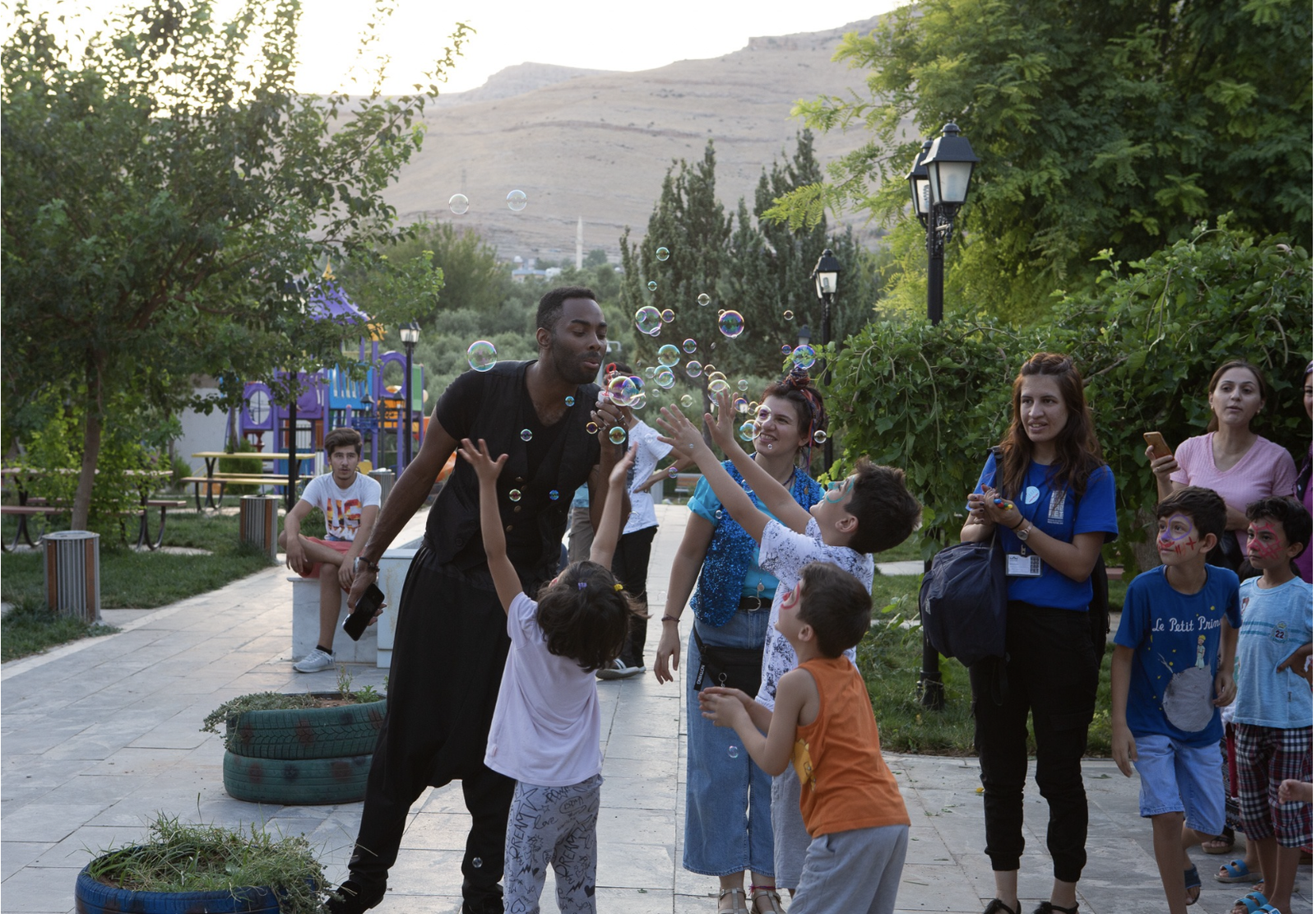
As I said, I have been very blessed to have traveled around so many parts of the world with my voice. It's been a wonderful journey so far. However, some of the most memorable parts of my career are seeing some of my former students grow up and take many of the things I've taught them into their own careers. Many former students still reach out for advice, and often just want to catch up, which is such a wonderful thing because I’m just so proud of them. Another memorable moment of so many, and it is hard to choose, but being in Mardin, Turkey, for an organization called Flying Carpet Children Festival run by my dear friend Sahba Aminikia, comes instantly to mind. You should definitely look it up. It is a festival that brings such joy and love to children who have seen war and are often displaced by conflict created by adults, near and far. I've been twice, and I was teaching music, and I performed with students there. It was and continues to be an important initiative.
What advice would you give to up and coming young musicians?
Do it because you love it. People may tell you it's a career full of struggle, but then they pay thousands of dollars to see a musician they like play live at a concert. Tune out the noise and focus on what you love to do. Be yourself and take up all your space. Being a musician requires so many hours of practice that people rarely see and acknowledge, but that's okay because one day someone is going to call you to play in a show that will lead to even more opportunities, and eventually someone is going to refer you to someone else for more jobs. So the advice is to be excellent at your craft, take the time to perfect what you're doing. I realize it is different these days, as I didn't have social media as a distraction growing up, but if you pour your energy into what you're doing and are patient, you will get to where you want to go.